Alcohol Recovery
Alcohol recovery is different for everyone. When it comes to
recovery from alcoholism some take a linear path, but most take
a more erratic and haphazard path to maintaining sobriety. Those
in recovery may have decided on their own to let go of their addiction
or been encouraged by family, friends, an employer, the court
system of a life event to take action.
 Alcohol
 |
|

Many of those in an alcoholism recovery program have made many
attempts to gain and maintain sobriety. Some are hard on themselves
for "falling off the wagon" again.
What those in recovery need to realize is that setbacks are to
be expected. Most people with an alcohol dependency problem do
not just stop cold turkey without making several attempts and
falling off the wagon several times first. Setbacks are a normal
part of the recovery process.
A few people are blessed with the ability to stop drinking all
on their own and maintain sobriety. Most, however, will need a
program such as Alcoholics Anonymous or an inpatient or outpatient
treatment program to help with the cravings, withdrawal symptoms
and underlying issues that compels one to drink in the first place.
Many find a support group of like-minded individuals to be invaluable
in the recovery process.
The recovery process is
different for everyone, but there are some standardized
treatment programs that will aid many in their own personal recoveries.
AA or another 12-step program, hospital or residential treatment
programs offering medical treatment and psychotherapy and holistic
treatment programs are a few popular programs for those seeking
alcohol recovery assistance.
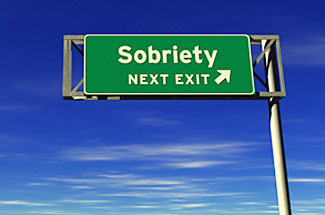
Road to Sobriety
Three of the key components in dealing with alcoholism are dealing
with the cravings, withdrawal symptoms and underlying issues compelling
one to drink. Alcohol rehab programs need to deal with each of
these areas and show the alcohol dependent person that he or she
has some control in each of these areas for the recovery process
to be effective.
Cravings can be both physical
and psychological and
the addicted person needs to know that though they cannot control
the cravings, they can control the action of taking a drink in
order to dampen the cravings. Withdrawal symptoms can be mild,
like a hangover, to life threatening. For those with a long history
of heavy drinking, professional medical assistance will be necessary
during the detox period in order to safely deal with the withdrawal
symptoms. Therapy will also be necessary for most in order to
deal with the underlying issues compelling one to drink. Unresolved
grief, anxiety and beliefs will need to be addressed in a safe
environment, so that the emotional energy behind the compulsion
to drink can be dissipated.
Support groups also aid those in recovery. Even though recovery
is a personal path everyone must travel individually, many find
solace in others in similar situations traveling down similar
paths at the same time. Feelings of isolation can be dealt with
in a support group setting and new friendships with a vested interest
in healthy and alcohol-free living can be bonded.
Conclusion
No matter which path is chosen, for most just getting on
the wagon for recovery is the most important aspect
of one's life.
|
