Residential Drug & Alcohol
Rehab Centers
Residential rehab centers or facilities generally offer both
short-term and long-term treatment options. In most cases, residential
rehab centers offer environmental settings that many find helpful
in the healing process. For instance, many residential rehab facilities
are located near the beach, on a ranch or in the mountains in
a sort of "getaway" atmosphere, unlike inpatient rehab
centers that are located in hospital settings. Also, as the name
implies, residential addiction facilities may be in residential
settings in cities and suburbs as well.
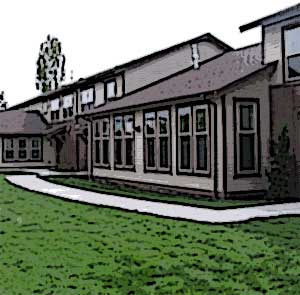
Residential Drug & Alcohol Rehab Center |
|

Like inpatient centers, residential facilities are for those
with moderate to severe substance abuse issues who have struggled
with sobriety over a long period of time. Residential addiction
recovery centers are less costly than inpatient facilities, though
they may offer most of the same services.
Some of the services that residential rehab facilities may offer
include a comprehensive medical exam, detoxification program,
psychological testing, mental health counseling, psychiatric consultations,
individual therapy, group therapy, men's groups, women's groups,
pharmacological management and treatment, social skills, communication
skills, recreation and exercise, job planning, relapse prevention
and sober living skills. Residential substance abuse centers offer
a chance to getaway from the daily pressures family, friends and
coworkers on a temporary basis and focus solely on the task of
recovery.
Most residential centers use multidisciplinary approaches in treatment
tailored to individual needs. Some of the approaches may include
cognitive-behavioral, psychodynamic or family systems therapy,
re-socialization, education and pharmacological treatment using
methadone, LAAM or naltrexone depending upon the particular addiction.
One of the
most popular models for residential addiction centers has been
the Therapeutic Community (TC) model. In the TC model, emphasis
is on re-socialization by engaging the use of the community, treatment
staff and other addiction clients. This approach emphasizes calling
attention to attitudes, beliefs and behaviors associated with
substance abuse and taking corrective action in both thinking
and deed. A secondary emphasis on the TC model is on the idea
of self-help, including primary personal responsibility for one's
own change and partial responsibility for the change of others
in the program.
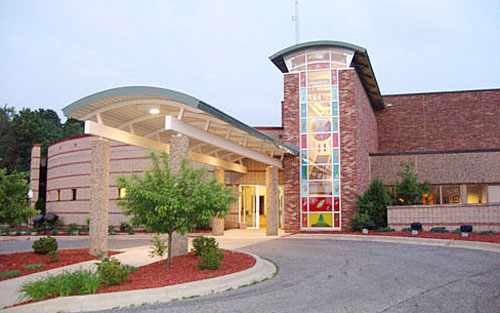
Narconon Freedom Center
While many residential addiction rehab centers may not emphasis
the 12-step model in their own programs, most facilities encourage
their participants to participate in 12-step programs once leaving
the center as part of their sober living commitments and an additional
resource for community support.
Because residential facilities are more flexible than inpatient
care, many specialized centers have been developed, targeting
specific areas of the population. For instance, some residential
addiction centers focus specifically on children and teens. Others
are geared towards women-only and still others may be affiliated
with recovery through the guidelines of a particular a religion.
When seeking out the services of a residential rehab, it is important
to find out the geographical location, how payment is accepted
(insurance or installments, etc.), if and when there are openings,
and what services are available that address one's specific needs.
|
